
There are cities that reveal themselves through their landmarks, and others that are best discovered through their atmosphere. Thessaloniki belongs to the latter. Set along the Thermaic Gulf in northern Greece, the country's second-largest city combines centuries of history with a contemporary creative spirit, an acclaimed gastronomic identity and a distinctly cosmopolitan character. It is a destination that rewards curiosity, inviting visitors to look beyond its celebrated monuments and discover the many layers that make it so captivating.
For those interested in exploring Thessaloniki, the appeal lies in its remarkable contrasts. Byzantine churches stand alongside Ottoman architecture, neoclassical buildings frame lively commercial streets, and traditional markets coexist with contemporary restaurants and independent boutiques. Every neighbourhood has its own personality, offering a different perspective on a city shaped by cultures, communities and generations of travellers.
Discovering the city's historic character
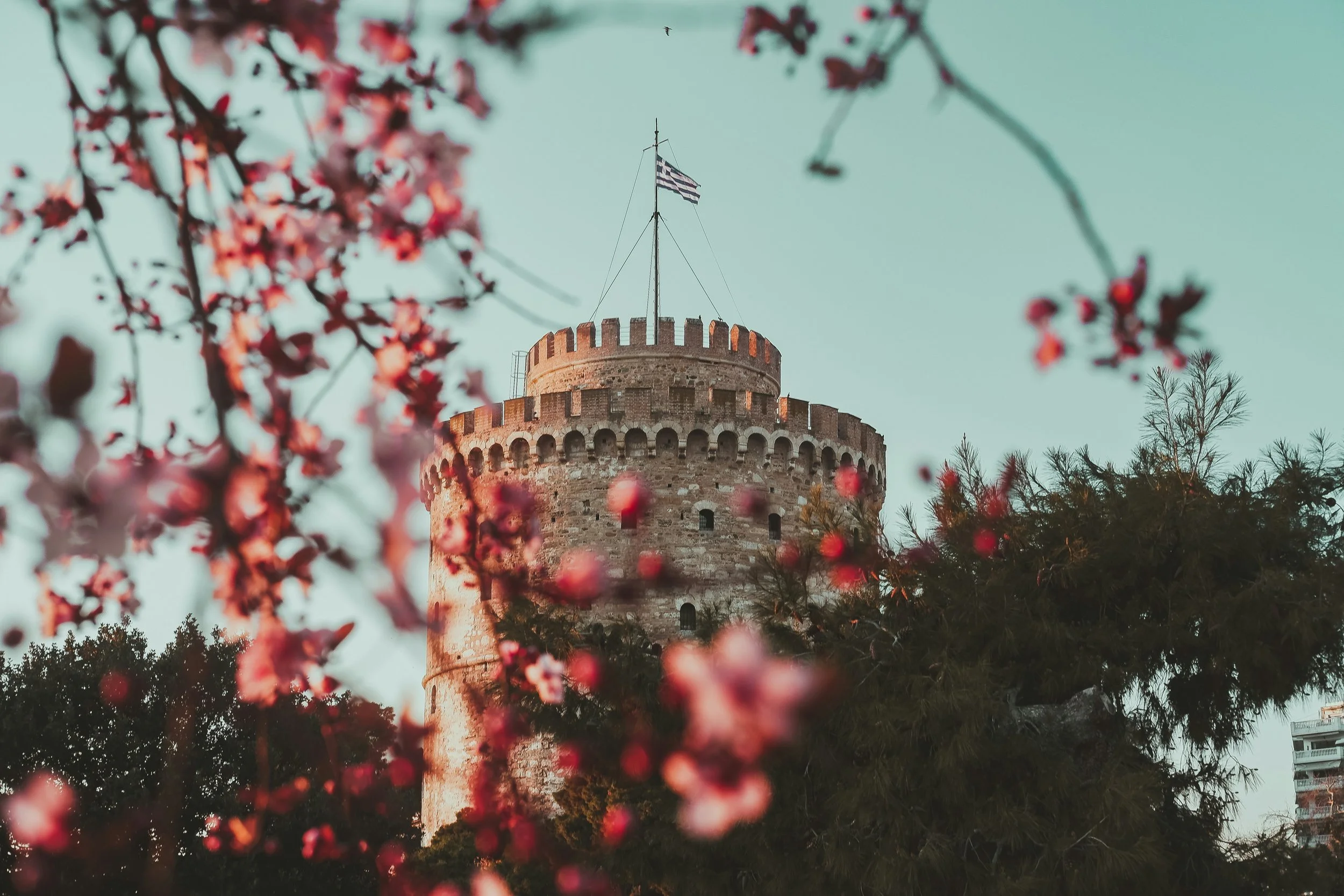
A natural starting point for exploring Thessaloniki is its waterfront, where the iconic White Tower stands as one of the city's most recognisable landmarks. Originally constructed during the Ottoman period, the tower now houses a museum dedicated to Thessaloniki's history. Its position beside the sea makes it an ideal starting point for a leisurely walk along the extensive promenade, particularly in the late afternoon, when the light transforms the Thermaic Gulf.
Further inland, Aristotelous Square offers an architectural setting that captures the city's distinctive urban identity. Surrounded by impressive buildings, cafés and restaurants, the square opens towards the waterfront and provides an inviting place to pause and observe the rhythm of local life.
History enthusiasts will find an extraordinary collection of monuments throughout the city. The Rotunda, the Arch of Galerius and the Church of Agios Dimitrios offer fascinating insights into its Roman and Byzantine heritage. Thessaloniki is particularly significant for its early Christian and Byzantine monuments, fifteen of which are included on the UNESCO World Heritage List.
Each site contributes to a broader understanding of the city's multicultural past, making a guided architectural and historical walk an especially rewarding experience.

Ano Poli and the beauty of the old town
Above the contemporary city centre lies Ano Poli, Thessaloniki's Upper Town, a neighbourhood that preserves much of its traditional character. Its narrow streets, colourful houses, Ottoman influences and small courtyards create an atmosphere that feels distinctly different from the lively avenues below.
Walking through Ano Poli offers a glimpse into a quieter side of Thessaloniki. Traditional cafés, family-run tavernas and historic buildings line its winding streets, while the remains of the Byzantine walls provide a reminder of the city's strategic importance throughout history.
The neighbourhood is also one of the most rewarding places to admire the city from above. Its elevated position offers sweeping views across the rooftops and towards the Thermaic Gulf, particularly beautiful around sunset. A visit here can easily become one of the most memorable moments of a stay, especially when combined with a leisurely dinner at a traditional restaurant.
A destination shaped by gastronomy
Gastronomy is an essential part of Thessaloniki's identity. Influenced by Greek, Balkan, Ottoman and Sephardic traditions, its culinary culture is exceptionally diverse, with a strong emphasis on seasonal ingredients, local produce and generous hospitality.
The city's traditional markets provide an excellent introduction to this gastronomic heritage. Kapani Market, with its colourful stalls selling spices, olives, fresh produce and regional delicacies, offers an authentic glimpse into everyday life. Nearby, Modiano Market brings together food merchants, restaurants and contemporary culinary concepts within an architecturally distinctive setting.
Local specialities deserve particular attention. Bougatsa, the beloved pastry filled with cream or cheese, is a morning ritual for many residents, while Thessaloniki's koulouri, with its characteristic sesame-coated crust, is a familiar street-food favourite. For a more extensive culinary experience, the city's tavernas and contemporary restaurants showcase the richness of Macedonian cuisine, often accompanied by excellent regional wines.
Dining in Thessaloniki is rarely simply about the food. It is an opportunity to experience the city's social culture, where long lunches and relaxed evenings remain an integral part of everyday life.
Exploring the city's contemporary side
Beyond its historical landmarks, Thessaloniki has developed a vibrant cultural and creative scene. Independent galleries, concept stores, design studios and contemporary cultural spaces contribute to an atmosphere that feels youthful and constantly evolving.
The Ladadika district is particularly appealing for its restored historic buildings, cobbled streets and lively dining scene. Once an important commercial area, it has evolved into one of the city's most recognisable neighbourhoods, with restaurants, bars and cultural venues occupying its traditional buildings.
The city's waterfront also offers opportunities to experience its contemporary identity. Museums, cultural institutions and public spaces provide an interesting counterpoint to its historic centre, while the Thessaloniki International Film Festival reinforces its reputation as an important cultural destination.
For visitors who enjoy discovering a city's creative side, exploring its independent shops, contemporary art spaces and neighbourhood cafés can be just as rewarding as visiting its most celebrated monuments.
Experiencing Thessaloniki beyond the expected
One of the most appealing aspects of Thessaloniki is the possibility of experiencing it at a personal pace. Its compact centre makes walking particularly enjoyable, while its diverse neighbourhoods encourage visitors to venture beyond the familiar sightseeing routes.
A private guided experience can bring additional depth to a visit, particularly when exploring the city's Byzantine heritage, its Jewish history or its architectural evolution. A knowledgeable local guide can introduce lesser-known stories, reveal hidden corners and offer a more meaningful understanding of the city's cultural identity.
The surrounding region also provides opportunities to extend a stay. The archaeological site of Vergina, the beaches of Halkidiki and the landscapes of Mount Olympus offer fascinating excursions for those wishing to discover more of northern Greece.
A city worth experiencing at your own pace
Thessaloniki is a destination that leaves a lasting impression through its combination of history, creativity, gastronomy and genuine warmth. Its appeal is not confined to a particular attraction or neighbourhood, but emerges through the experience of moving between them, discovering unexpected details and connecting with the local way of life.
For a more considered approach to exploring Thessaloniki, Grandeur can help curate a personalised city experience, bringing together private guided tours, exceptional dining reservations, cultural discoveries and bespoke excursions beyond the city centre.
Ultimately, the most rewarding way to discover Thessaloniki is to allow time for its many personalities to unfold. It is a city best appreciated without rushing, where every encounter offers another reason to return.
