
There are places that impress with their beauty, and others that leave a lasting impression through the feeling they evoke. Meteora belongs to both worlds. Rising dramatically above the Thessalian plain, its monumental rock formations are crowned by centuries-old monasteries, creating one of Greece’s most extraordinary landscapes. Here, nature and spirituality exist in remarkable harmony, inviting visitors to slow down, look closer, and discover a different side of the country.
For travellers seeking experiences beyond the familiar island escapes, Meteora offers a journey into Greece’s cultural heritage, dramatic natural scenery, and quieter rhythms of life.
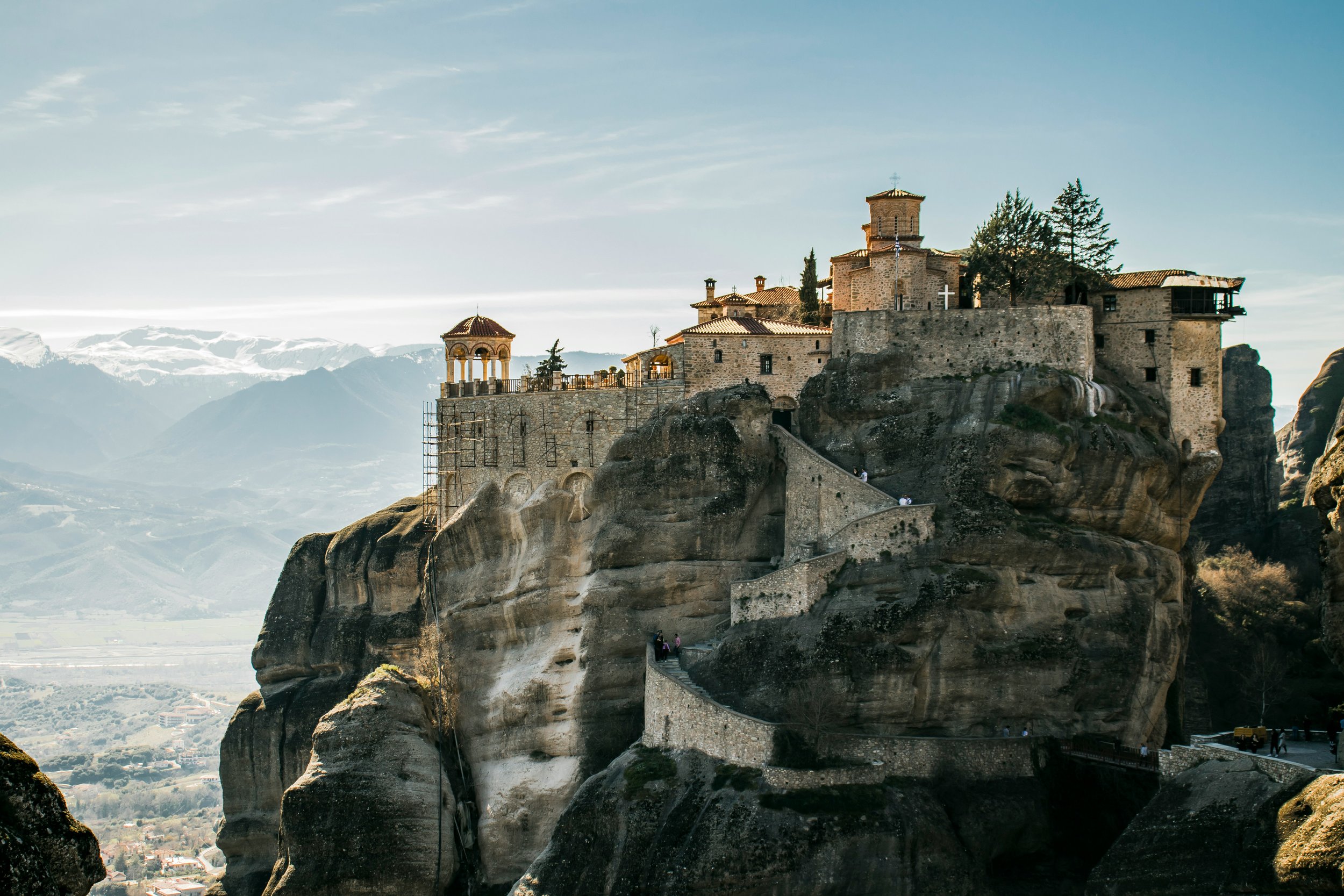
A landscape unlike anywhere else
The first encounter with Meteora is difficult to forget. Towering sandstone pillars rise almost vertically from the surrounding landscape, their sculpted surfaces shaped over millions of years by natural forces. Some appear isolated against the sky, while others stand in clusters, creating a setting that feels almost otherworldly.
Located near the towns of Kalambaka and Kastraki in central Greece, Meteora is recognised as a UNESCO World Heritage Site for its exceptional combination of natural beauty and cultural significance.
The landscape changes throughout the day. Morning mist can soften the outline of the rocks, while the afternoon sun reveals their textures and earthy colours. As evening approaches, the changing light creates a particularly atmospheric setting, making the surrounding viewpoints ideal for photography and quiet contemplation.
For those who appreciate destinations with a strong sense of place, Meteora is an opportunity to experience Greece through a landscape that feels entirely distinct from its coastal scenery.
The monasteries suspended between earth and sky
Meteora’s defining feature is its extraordinary collection of monasteries, built atop the towering rock formations by monks seeking solitude, protection, and spiritual retreat. Hermits began settling in the area from the 11th century, with organised monastic communities developing over the centuries that followed.
At its height, the wider complex included 24 monasteries. Today, six remain in operation, each offering a different perspective on the region’s religious and architectural heritage. Among them, the Great Meteoron Monastery stands out for its scale and historic collections, while Varlaam is known for its impressive position and remarkable frescoes. The Monastery of Holy Trinity, perched dramatically above the valley, is another unforgettable sight.
Inside these sacred spaces, visitors encounter Byzantine art, intricate iconography, historic manuscripts, and the enduring traditions of Orthodox monastic life. Their significance extends beyond architecture, offering a glimpse into centuries of devotion and the extraordinary determination required to establish spiritual communities in such an inaccessible setting.
A guided visit can bring these stories into focus, revealing details that might otherwise go unnoticed and offering a deeper understanding of Meteora’s place in Greek history.
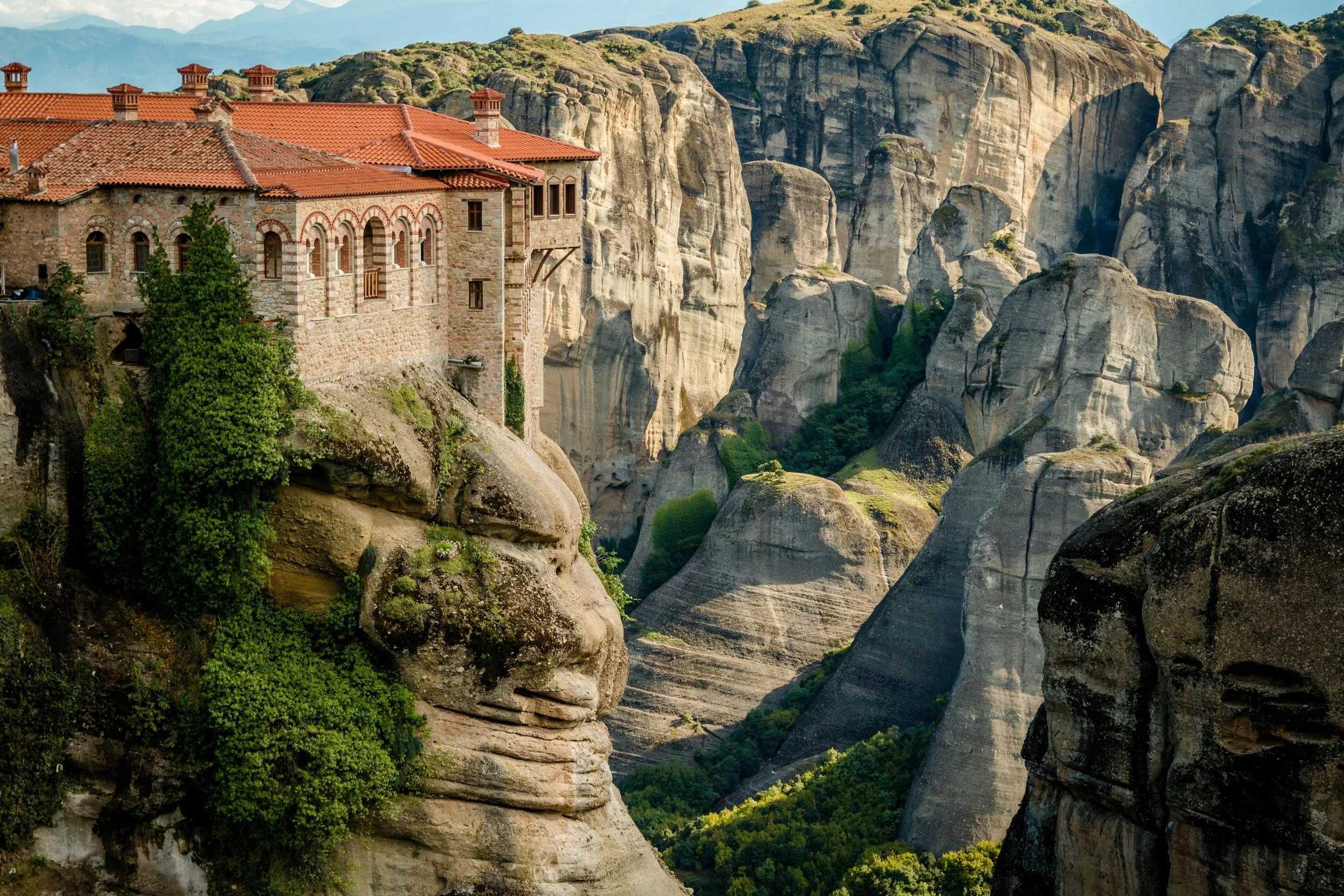
Discover Meteora beyond the monasteries
While the monasteries are central to the experience, Meteora rewards those who venture further into its natural surroundings. Walking trails wind through woodland and along the foot of the rock formations, passing historic paths, hermitages, and viewpoints that reveal the landscape from different perspectives.
A guided hike is an especially rewarding way to explore the area. With a knowledgeable local guide, the journey becomes an opportunity to discover the region’s geology, flora, and hidden corners while learning more about the people who once sought refuge among these remarkable rocks.
For a more adventurous perspective, the area is also renowned for rock climbing, with routes that appeal to experienced climbers and suitable introductory experiences available with qualified professionals. Those who prefer a slower pace can explore the nearby villages, enjoy the surrounding countryside, or simply take time to appreciate the changing light across the rock formations.
Each experience reveals a different dimension of Meteora, making it a destination that can be as active or contemplative as the traveller wishes.
The local character of central Greece
A visit to Meteora also offers the chance to experience the warmth and traditions of the Thessalian region. In Kalambaka and the neighbouring village of Kastraki, stone-built houses, traditional tavernas, and family-run establishments provide a welcome contrast to the monumental scale of the landscape.
Local cuisine reflects the character of central Greece, with regional cheeses, handmade pies, seasonal ingredients, and traditional meat dishes featuring prominently on local menus. Taking time for a leisurely meal is an essential part of understanding the area, allowing the experience to extend beyond sightseeing and into the everyday life of the region.
For travellers with an interest in gastronomy, a thoughtfully planned itinerary can include authentic dining experiences and opportunities to discover local products, adding another layer to the journey.
Experience Meteora with Grandeur
Meteora invites a different kind of travel, one shaped by discovery rather than a packed schedule. Its remarkable landscape, spiritual heritage, and understated local character make it an exceptional destination for travellers looking to explore Greece beyond the expected.
With Grandeur, a visit can be tailored around individual interests, combining private guiding, cultural exploration, scenic walks, and carefully selected dining experiences into a seamless itinerary. Every detail can be considered in advance, allowing time to appreciate the destination at a more personal pace.
Whether discovering the monasteries with an expert guide, exploring ancient trails beneath the rocks, or watching the sunset transform the landscape, Meteora offers moments that stay with you long after the journey ends.
Some destinations are remembered for what you see. Meteora is remembered for how it makes you feel.
